


Architecture and the Way of Living in Greenland: Design Shaped by Ice, Light, and Resilience
Greenland is often imagined as a vast white wilderness — ice, silence, and endless horizons. But life in Greenland is far richer and more nuanced. Architecture and everyday living here are not about decoration or trends; they are about survival, community, and a deep respect for nature. This is design reduced to its most honest form.
For SkandiShop, Greenland represents an extreme yet deeply inspiring chapter of Nordic living — where functionality, beauty, and meaning are inseparable.
Architecture Born From Necessity
Greenlandic architecture is shaped by one overriding reality: the Arctic climate. Temperatures can plunge far below freezing, winds are relentless, and daylight disappears for months at a time.
As a result, buildings are:
-
Compact and low-profile, minimizing exposure to wind
-
Elevated from the ground, protecting against snow accumulation and permafrost movement
-
Highly insulated, prioritizing warmth over scale
Traditional homes were often constructed using locally available materials — stone, turf, driftwood — while modern homes rely on timber frames, advanced insulation, and metal roofing designed to shed snow efficiently.
There is no architectural excess here. Every line, surface, and material serves a purpose.
The Iconic Colors of Greenland
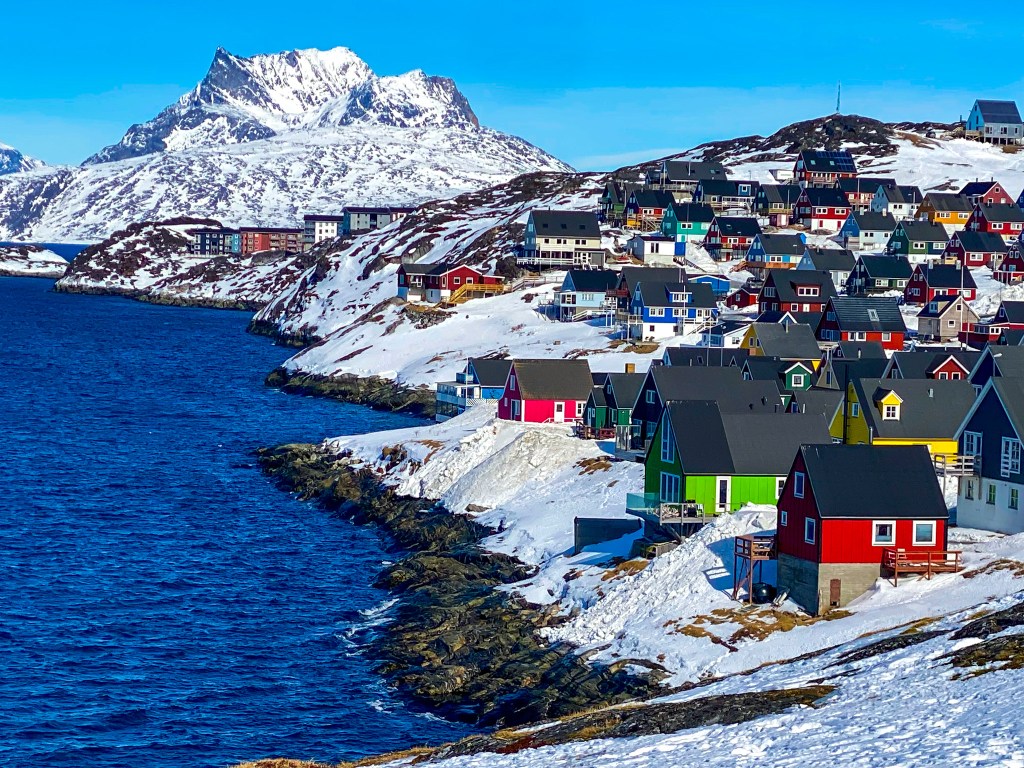
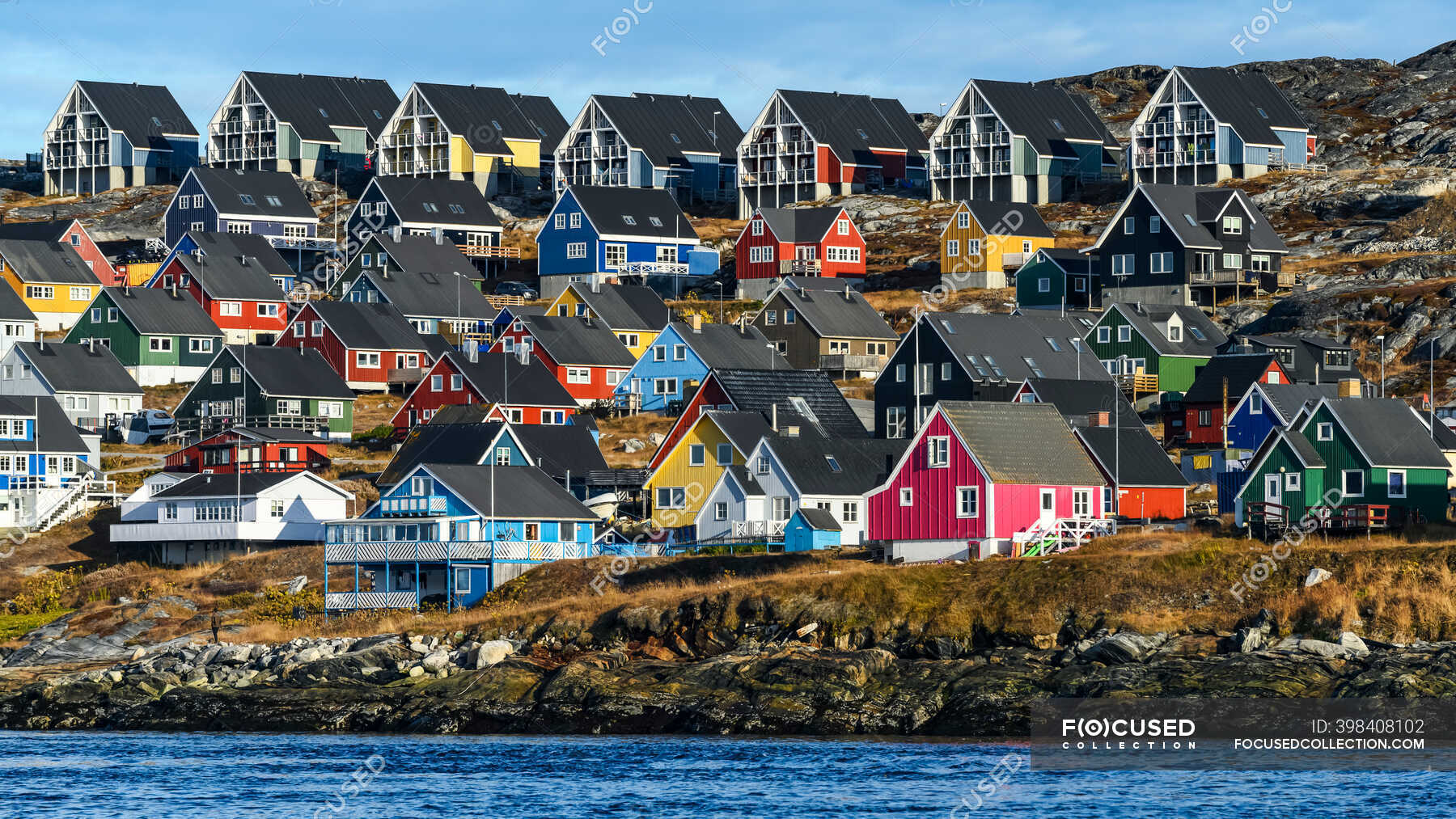
One of Greenland’s most striking visual features is its boldly colored houses — reds, blues, yellows, and greens standing vividly against snow and rock.
Originally, these colors were practical:
-
Red for commercial buildings
-
Yellow for healthcare
-
Black or green for police and administration
Over time, this system softened, but the tradition remains. Today, color brings warmth, orientation, and emotional contrast to a stark landscape. It is a reminder that architecture can be both functional and joyful.
Living Close to Nature
Daily life in Greenland is defined by closeness to nature — not as an aesthetic concept, but as a lived reality.
Homes are designed to:
-
Maximize natural light during short daylight periods
-
Offer clear views of the surrounding landscape
-
Create warm interiors that contrast the harsh exterior environment
Inside, spaces are calm, uncluttered, and deeply practical. Furniture is chosen for durability and comfort. Textiles play a crucial role — wool, sheepskin, and layered fabrics provide both insulation and softness.
This is Nordic minimalism at its most authentic: not curated, but earned.
Community-Centered Design
Greenlandic towns and settlements are small, and community life is essential. Architecture reflects this social structure.
Buildings are positioned to encourage interaction, shared pathways, and visual connection between homes. Interiors often accommodate multi-generational living, reinforcing family ties and collective resilience.
In a place where isolation can be dangerous, design quietly supports togetherness.
Lessons for Modern Scandinavian Living
Greenland offers powerful lessons for contemporary Nordic and global design:
-
Function first, always
-
Materials should age gracefully
-
Comfort is not luxury — it is necessity
-
Design must respond to place, not trends
These principles align deeply with SkandiShop’s philosophy: timeless objects, honest materials, and spaces that feel grounded rather than styled.
A Quiet Inspiration
Greenland does not shout. Its architecture does not seek attention. Yet its influence is profound.
In a world increasingly driven by speed and spectacle, Greenland reminds us that true design excellence lies in restraint, purpose, and respect — for climate, for people, and for life itself.
For SkandiShop, Greenland is not just a destination. It is a mindset — one where living well means living thoughtfully, no matter how extreme the conditions.
0件のコメント